
Pinellas County Jail Public Records give you instant access to booking details, mugshots, charges, housing locations, and release dates for every person held in the county’s detention system. The Sheriff’s Office updates this data every 15 minutes, ensuring real-time accuracy for legal professionals, journalists, family members, and researchers. As of August 2022, the database included over 5,000 entries from the prior 24-hour period—each linked to a unique booking number, charge description, and release status. You can search by name, booking date, or case number, download results as CSV or Excel files, and request certified documents through official channels. All records comply with Florida’s Sunshine Law, guaranteeing public access while protecting privacy rights under state statutes.
How to Search Pinellas County Jail Public Records in 3 Steps
Finding current or past inmate information is simple. First, go to the official “Who’s In Jail” portal run by the Pinellas County Sheriff’s Office. Second, enter the person’s full name, booking ID, or arrest date into the search bar. Third, review the results, which show mugshots, charges, bond amounts, housing units, court dates, and projected release times. For bulk analysis, use the downloadable spreadsheet updated hourly. If you need help, call (727) 582-6200 during business hours. The system covers all bookings from November 28, 2005, onward. Older records are stored at the Clerk of the Circuit Court’s website and require a separate search.
What Information Is Included in Each Public Record Entry?
Every entry in the Pinellas County Jail Public Records database contains key details to help you identify and track an individual. This includes the detainee’s full legal name, date of birth, gender, race, and booking photograph (mugshot). You’ll also see the exact charges filed, bond or bail amount set by the court, housing location within the jail facility, scheduled court appearance date, and estimated release time if applicable. Each record links to supporting documents like arrest reports, property seizure forms, and attorney communication logs—all available as PDFs from third-party services. These records are cross-referenced with the Florida Department of Law Enforcement’s criminal history database to show prior convictions.
Free vs. Certified Records: What’s the Difference?
The online portal offers free access to basic inmate data, including names, charges, and mugshots. However, if you need official documentation for legal proceedings, employment verification, or background checks, you must request certified copies. Certified records carry the Sheriff’s Office seal and are legally valid for court submissions. They cost $10 per document and take up to three business days to process. Requests can be submitted online, by mail, or in person at the Records Division. Email addresses listed on the site are public records under Florida law, so expect transparency in all communications.
August 2022 Archive: Snapshot of Recent Activity
The August 2022 archive provides a detailed look at jail activity during that month. It includes hourly updates of mugshot feeds, inmate rosters, and arrest logs—each entry tagged with a timestamp, booking number, and charge code. Users can filter by offense type (violent crime, drug-related, property crime), supervising officer, or housing unit. The dataset also shows trends: compared to 2021, arrests dropped by 4.5%, reflecting improved community policing strategies. Researchers can export the full archive as an Excel file for statistical analysis or trend mapping. This level of detail supports journalists, academics, and legal teams needing precise, time-stamped evidence.

Using the County Office Portal for Jail Records Search
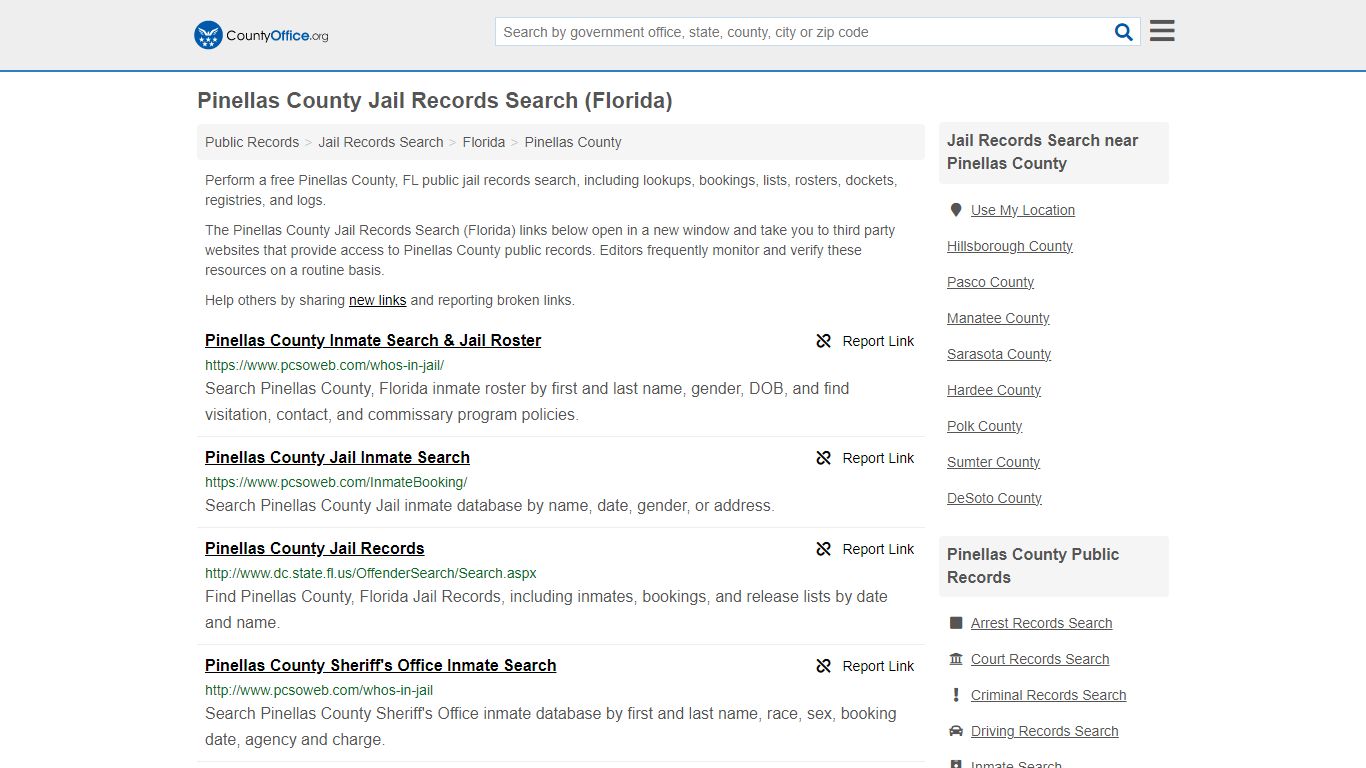
The County Office website offers a free, user-friendly tool to search Pinellas County Jail Public Records. It aggregates booking logs, inmate lists, and court dockets in one place, refreshing every 15 minutes. Results display full names, charges, bond amounts, and housing assignments. You can filter by month, crime category, or arresting agency. For deeper research, click links to view PDFs of arrest reports and property forms hosted by verified third parties. The interface is mobile-friendly and works on phones, tablets, and desktops. No registration is required, making it ideal for quick checks or routine monitoring.
Accessing Historical Records Before 2005
Records prior to November 28, 2005, are not available through the Sheriff’s Office portal. Instead, they’re maintained by the Clerk of the Circuit Court at www.pinellasclerk.org. These archives include microfilm scans and digitized documents such as old booking sheets, court dispositions, and release forms. To search, use the court’s online index or visit their office in person. Some records may require a formal public records request form, especially if they involve sealed cases or juvenile offenders. Processing typically takes 7–10 business days. Always verify the record’s authenticity before using it in legal matters.
Understanding Florida’s Sunshine Law and Your Rights
Florida’s Sunshine Law guarantees public access to government records, including jail bookings and arrest reports. This means anyone can view or copy Pinellas County Jail Public Records without justification. However, certain details—like Social Security numbers, medical info, or victim identities—are redacted to protect privacy. The law also requires agencies to respond to requests within a reasonable time (usually 5 business days). If your request is denied, you can appeal to the Florida First District Court of Appeal. Knowing your rights helps ensure fair and transparent access to vital information.
Crime Statistics and Arrest Trends in Pinellas County
According to the Florida Department of Law Enforcement, Pinellas County recorded 36,566 arrests and 33,522 reported crimes in 2017—the last year with complete data. Compared to 2016, arrests fell by 4.5%, and crime dropped by 8.2%. Property crimes made up 70% of incidents, followed by drug offenses (18%) and violent crimes (12%). Demographic breakdowns show most arrests involved adults aged 25–44, with slight variations by gender and race. These stats help policymakers, researchers, and residents understand local safety trends and allocate resources effectively.
Pinellas County Jail Facility Overview
The main Pinellas County Jail is located at 350 North Florida Avenue, Largo, FL 33771. It houses about 1,400 inmates across three secure units and provides medical care, visitation scheduling, mail processing, and religious services. The facility operates under strict state guidelines for safety, hygiene, and human rights. Fiscal reports, including the 2021–2022 budget, are published online for transparency. Visitors must follow dress codes, ID checks, and appointment rules. The jail also publishes accident reports, concealed weapon permits, and personnel notices—all accessible via the Sheriff’s Office website.
Records Division Contact and Services
The Records Division handles all official requests for Pinellas County Jail Public Records. It’s located at P.O. Drawer 2500, Largo, FL 33779-2500, and can be reached at (727) 582-6200. Staff respond to inquiries about investigative reports, civil rights complaints, and sworn statements within five business days. Email addresses are public records under Florida law, so expect openness in all correspondence. In emergencies, always call 9-1-1 first. The division also assists with notarization, certified copies, and archival searches. Walk-ins are welcome, but appointments speed up service.
Searching Property and Official Documents
While focused on jail records, Pinellas County also maintains a centralized portal for deeds, liens, and property transactions. The Official Records Search lets you look up documents by grantor/grantee name, instrument number, or filing date. Results include thumbnails, PDF downloads, and legal descriptions. Certified copies cost $10 and ship via USPS within three days. This system supports real estate professionals, title companies, and homeowners verifying ownership or encumbrances. It’s separate from inmate data but equally transparent under state law.
Digital Notarization and Secure Document Storage
MyPinellasClerk.org offers free notarization for attorneys and private individuals at any county records office. After signing, scan and email the agreement to the protected address shown on the site. The system creates a secure digital vault for storage and retrieval. Users can upload additional files, schedule appointments, and access archived records 24/7. This service reduces paper waste, speeds up transactions, and ensures compliance with electronic signature laws. It’s especially useful for remote clients or urgent legal filings.
August 2022 Data Export and Research Tools
The August 2022 archive allows researchers to download hourly updates as Excel spreadsheets. Each file includes inmate names, charges, bond amounts, booking dates, and prior conviction flags from the state database. This enables trend analysis, recidivism studies, and media investigations. Legal teams use it to track co-defendants or verify alibis. The data is anonymized where required by law but remains detailed enough for professional use. Always cite the source when publishing findings to maintain credibility.
Inmate Booking Inquiry for Recent Arrests
The Inmate Booking portal covers all arrests from November 28, 2005, to today. Search by name, booking ID, or arrest date to view mugshots, charge details, and court schedules. Results include downloadable PDF packets with police narratives, bail conditions, and officer notes. For older cases, the system redirects to the Clerk of the Circuit Court’s archive. This tool is essential for families locating loved ones, employers conducting background checks, or lawyers preparing defense strategies.
Frequently Asked Questions About Pinellas County Jail Public Records
Many people have questions about how to use these records, what’s included, and their legal standing. Below are clear, direct answers based on current Florida law and Sheriff’s Office policies.
Can I get a mugshot removed from the public records site?
No, mugshots cannot be removed once published. Florida law requires all booking photos to remain publicly accessible unless a court orders expungement. Even if charges are dropped or dismissed, the image stays online as part of the official record. Expungement is only possible for certain non-convictions, juvenile cases, or identity theft victims. You must file a petition with the court and pay a fee. If approved, the Sheriff’s Office will update the record to show “expunged,” but the photo may still appear in search results due to caching. Always consult a lawyer before pursuing this option.
Are Pinellas County jail records admissible in court?
Yes, but only certified copies are legally valid for court use. Online printouts or screenshots are considered unofficial and may be rejected. To get a certified record, submit a request to the Records Division with payment ($10 per document). The certified version includes the Sheriff’s seal, signature, and date of issuance. It proves the information was accurate at the time of printing. Uncertified records can still be used for personal reference, employment screening, or news reporting, but never as evidence in litigation.
How often are the jail records updated?
The “Who’s In Jail” portal refreshes every 15 minutes, reflecting real-time changes in inmate status. Booking logs, housing assignments, and court dates update automatically as staff enter new data. The August 2022 archive exports hourly snapshots for researchers. However, minor delays can occur during peak booking times or system maintenance. For the most accurate info, check the portal directly rather than relying on third-party sites, which may lag by hours or days.
Can I search for someone arrested before 2005?
Yes, but not through the Sheriff’s Office website. Records prior to November 28, 2005, are managed by the Clerk of the Circuit Court at www.pinellasclerk.org. These include microfilm scans, paper logs, and digitized court files. You’ll need to use their search tools or visit in person. Some older records may require a formal public records request, especially if they involve sealed cases. Processing takes 7–10 business days. Always verify the document’s authenticity before using it legally.
Is there a fee to view jail records online?
No, viewing basic inmate information—including names, charges, mugshots, and housing—is completely free on the official portals. However, certified copies, bulk data exports, or special reports cost money. For example, certified documents are $10 each, and custom research requests may incur additional fees based on staff time. Always check the fee schedule on the Sheriff’s Office website before submitting a request. Payment is accepted online, by mail, or in person.
What should I do if I find incorrect information in a record?
Contact the Records Division immediately at (727) 582-6200. Provide the booking number, inmate name, and details of the error. Staff will investigate and correct mistakes within 5 business days. Common errors include misspelled names, wrong charges, or outdated release dates. If the issue involves a court disposition, you may need to contact the Clerk of the Circuit Court instead. Keep records of all communications for your files.
Can employers use these records for background checks?
Yes, but with limitations. Employers can view public records to assess criminal history, but they must follow federal and state laws like the Fair Credit Reporting Act (FCRA). This means getting written consent from the applicant, providing adverse action notices if rejecting them based on the record, and allowing time to dispute inaccuracies. Note that arrests without convictions cannot be used against someone in most cases. Always consult HR legal guidelines before making hiring decisions.
For official inquiries, contact the Pinellas County Sheriff’s Office Records Division at (727) 582-6200. Address: 350 North Florida Avenue, Largo, FL 33771. Visiting hours: Monday–Friday, 8:00 AM–5:00 PM. Emergency line: 9-1-1. Website: www.pcsoweb.com.